

Single column
Investigating 75 emerging technologies, the study’s authors identify an arsenal of highly promising options, many of them ready or near-ready. Their shortlist comprises technologies that not only contribute to a host of Sustainable Development Goals—climate action, reducing environmental impact, reducing poverty, healthy food—but can also be tailored to a range of institutional and political contexts. The diverse pipeline spans the entire food value chain, from production and processing to consumption and waste management.
Some we are already familiar with, such as artificial meats, 3D printing, drones, “intelligent” materials, and vertical agriculture. Others require a bigger stretch of the imagination: nitrogen-fixing cereals that don’t need fertilizer, spreadable biodegradable polymers that conserve soil moisture, feed for livestock produced from human sewage. While the study focuses on the potential benefits of these technologies, it acknowledges there will be tradeoffs. And not only for the environment and human health—genetic modification of crops is already hotly debated; there is also the risk that unequal access to costly technologies across the globe could increase inequality. Transparency will be key to safeguarding against unintended negative social and environmental impacts, and appropriate policies and regulations are needed to ensure benefits are distributed fairly.
Two columns with boxes
Investigating 75 emerging technologies, the study’s authors identify an arsenal of highly promising options, many of them ready or near-ready. Their shortlist comprises technologies that not only contribute to a host of Sustainable Development Goals—climate action, reducing environmental impact, reducing poverty, healthy food—but can also be tailored to a range of institutional and political contexts. The diverse pipeline spans the entire food value chain, from production and processing to consumption and waste management.
Some we are already familiar with, such as artificial meats, 3D printing, drones, “intelligent” materials, and vertical agriculture. Others require a bigger stretch of the imagination: nitrogen-fixing cereals that don’t need fertilizer, spreadable biodegradable polymers that conserve soil moisture, feed for livestock produced from human sewage. While the study focuses on the potential benefits of these technologies, it acknowledges there will be tradeoffs. And not only for the environment and human health—genetic modification of crops is already hotly debated; there is also the risk that unequal access to costly technologies across the globe could increase inequality. Transparency will be key to safeguarding against unintended negative social and environmental impacts, and appropriate policies and regulations are needed to ensure benefits are distributed fairly.

Two columns with left image
Body text for Two columns with left image
Some we are already familiar with, such as artificial meats, 3D printing, drones, “intelligent” materials, and vertical agriculture. Others require a bigger stretch of the imagination: nitrogen-fixing cereals that don’t need fertilizer, spreadable biodegradable polymers that conserve soil moisture, feed for livestock produced from human sewage. While the study focuses on the potential benefits of these technologies, it acknowledges there will be tradeoffs. And not only for the environment and human health—genetic modification of crops is already hotly debated; there is also the risk that unequal access to costly technologies across the globe could increase inequality. Transparency will be key to safeguarding against unintended negative social and environmental impacts, and appropriate policies and regulations are needed to ensure benefits are distributed fairly.

Two columns with right image
Body text for Two columns with right image.
Some we are already familiar with, such as artificial meats, 3D printing, drones, “intelligent” materials, and vertical agriculture. Others require a bigger stretch of the imagination: nitrogen-fixing cereals that don’t need fertilizer, spreadable biodegradable polymers that conserve soil moisture, feed for livestock produced from human sewage. While the study focuses on the potential benefits of these technologies, it acknowledges there will be tradeoffs. And not only for the environment and human health—genetic modification of crops is already hotly debated; there is also the risk that unequal access to costly technologies across the globe could increase inequality. Transparency will be key to safeguarding against unintended negative social and environmental impacts, and appropriate policies and regulations are needed to ensure benefits are distributed fairly.
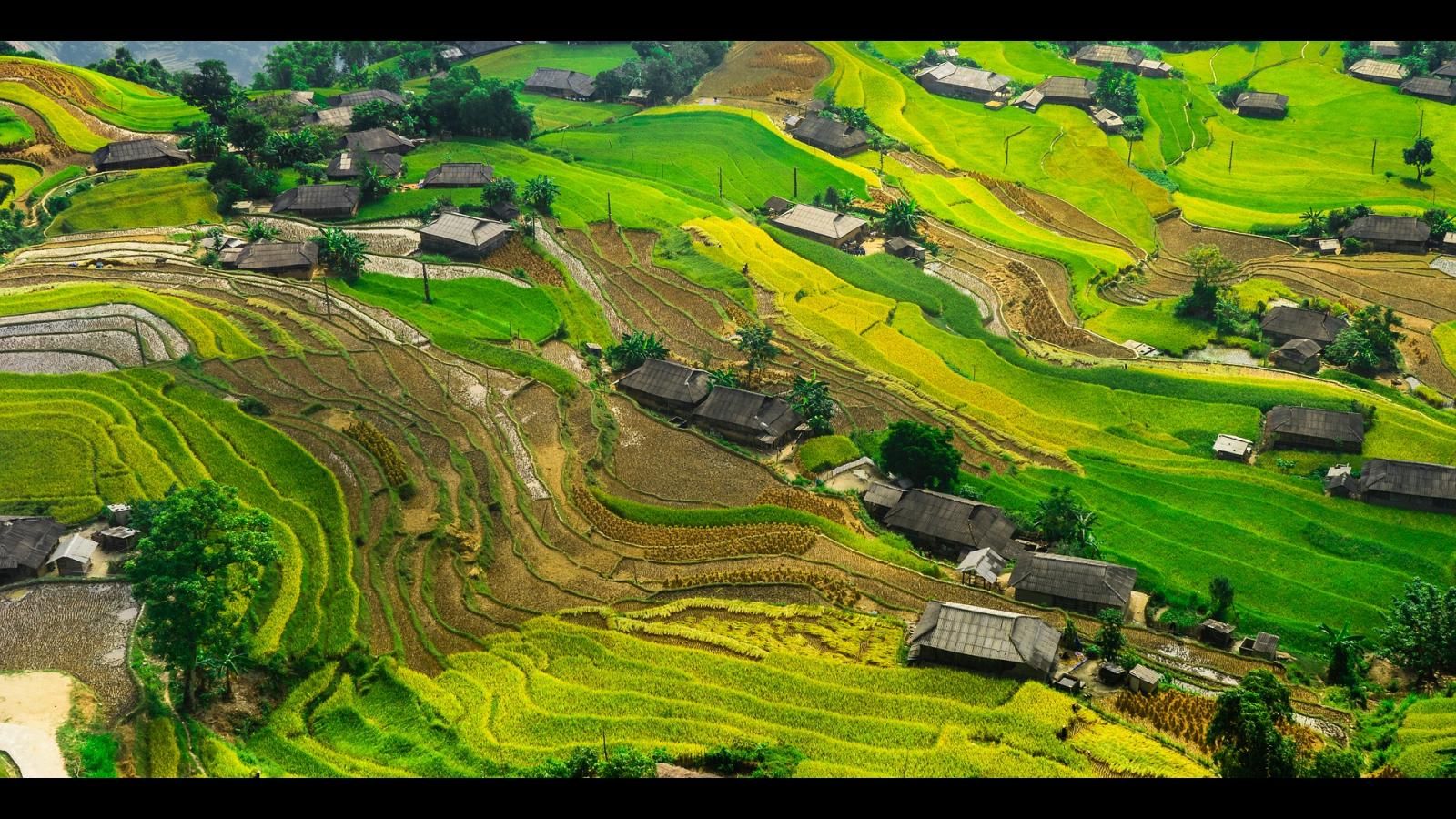
Slideshow
Body text for slideshow
Some we are already familiar with, such as artificial meats, 3D printing, drones, “intelligent” materials, and vertical agriculture. Others require a bigger stretch of the imagination: nitrogen-fixing cereals that don’t need fertilizer, spreadable biodegradable polymers that conserve soil moisture, feed for livestock produced from human sewage. While the study focuses on the potential benefits of these technologies, it acknowledges there will be tradeoffs. And not only for the environment and human health—genetic modification of crops is already hotly debated; there is also the risk that unequal access to costly technologies across the globe could increase inequality. Transparency will be key to safeguarding against unintended negative social and environmental impacts, and appropriate policies and regulations are needed to ensure benefits are distributed fairly.

Second slide
- Body for second slide - bulleted
- Body for second slide - bulleted
- Body for second slide - bulleted

Accordions
Accordion 1
Body text for Accordion 1
Full width stripe text title
DON'T USE HYPERLINKS Prompted by a conversation with the Bill and Melinda Gates Foundation, a new study in Nature Food led by the Commonwealth Scientific and Industrial Research Organisation (CSIRO) and the CGIAR Research Program on Climate Change, Agriculture and Food Security (CCAFS) offers insights into some disruptive, game-changing technologies that could make the difference for both people and the planet, and the social change needed to realize their potential.